Wooden Dog House with Paw Print and Blue
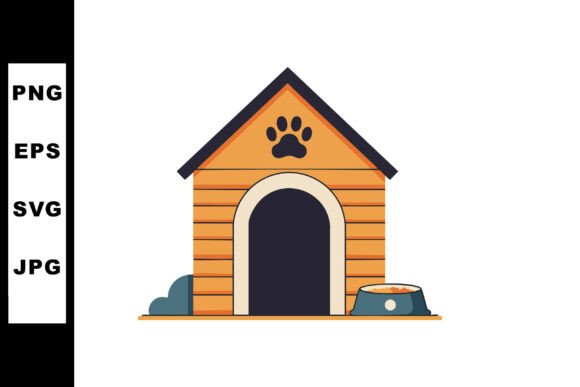
As an experienced designer who's tested countless machine embroidery designs, I’ve learned that a good illustration isn’t just about visual appeal—it’s about how it translates into real stitching. Wooden Dog House with Paw Print and Blue is one of those designs that immediately catches the eye with its cheerful vibe and cozy theme. It’s not just a cute image; it has practical potential for a variety of embroidery projects, especially when you consider the balance between detail and simplicity.
A Cozy Visual for Handmade Projects
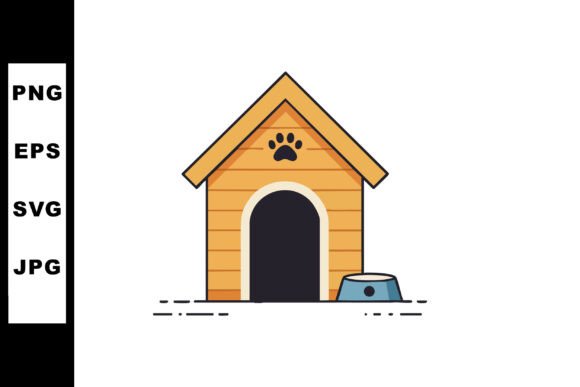
The first thing I noticed about this design is the mood it creates. The wooden dog house, paired with a black paw print and a blue pet bowl, feels like a warm, welcoming scene. It’s perfect for projects that aim to evoke comfort and charm—think baby items, holiday gifts, or even boutique branding. The layout is clean and well-balanced, making it easy to integrate into different products without overwhelming the fabric.
The detail level is just right. It’s not too intricate that it becomes difficult to stitch, nor is it so simple that it feels generic. This makes it ideal for both beginners and seasoned embroiderers looking for something that adds personality without requiring advanced techniques. The black paw print stands out nicely against the wooden texture, creating contrast that enhances the overall visual appeal.
Real-Life Use: Custom Embroidered Tote Bags
Let’s say I’m preparing a custom embroidered tote bag for a small shop that sells handmade pet accessories. Wooden Dog House with Paw Print and Blue would be a natural fit. The design sits well on a larger surface, allowing for clear stitching and visibility. I’d use a satin stitch around the edges of the dog house and fill stitch for the wood texture to give it dimension.
I’d also consider the placement carefully. Since the design includes a pet bowl beside the house, positioning it near the bottom of the tote would create a balanced look. Using a stabilizer is a must here, especially if the fabric is lightweight or stretchy. Testing the design on scrap fabric first would help ensure that the stitch density doesn’t cause puckering or distortion.
For a tote bag, the thread colors are crucial. The blue in the pet bowl needs to stand out, so using a high-quality thread with good color vibrancy would make a big difference. If the background fabric is dark, I’d test the design in black and white mockups to see if the details remain visible after stitching.
Where to Use with Caution
While this design works well on larger surfaces, it may need some adjustments for smaller hoop sizes. The details, like the texture of the wood and the lines of the paw print, could become less defined if stitched on a tiny hoop. For projects like embroidered patches or caps, I’d simplify the design slightly or focus on the main elements—like the dog house itself—rather than including the pet bowl.
Textured fabrics or thin materials might also pose challenges. The softness of the fabric can affect how the stitches lay, so using a proper stabilizer is essential. Additionally, if the final product will undergo frequent washing, I’d recommend using a washable stabilizer and testing the durability of the stitches before mass production.
Design Notes for Embroidery Success
- Test on scrap fabric: Always do a test run before committing to a large project. This helps catch any issues with stitch density or color contrast early on.
- Check thread color contrast: Ensure the blue in the pet bowl is visible against the fabric you’re using. Darker fabrics may require a lighter thread or additional highlights.
- Review stitch density: Too many stitches can cause puckering, especially on delicate fabrics. Adjust the density based on your machine settings and fabric type.
- Confirm hoop size: Choose a hoop that allows the entire design to be stitched without stretching or distorting the fabric.
- Inspect small details: Make sure the black paw print and the texture of the wooden house are clearly defined in the embroidery file. If they appear blurry in the JPG or PNG files, they might not translate well into stitches.
- Use proper stabilizer: Especially important for stretchy or thin fabrics. A tear-away or cut-away stabilizer can provide the support needed for clean stitching.
- Check licensing: Before selling finished items or digital products, confirm the licensing terms of the design to avoid any legal issues.
Visual Appeal and Brand Value
Wooden Dog House with Paw Print and Blue adds a touch of whimsy and warmth to any project. Whether it’s a personalized gift, a boutique product, or a commercial embroidery item, the design contributes to the visual appeal and perceived value of the finished product. Customers will appreciate the attention to detail and the sense of care that goes into each stitch.
For Etsy sellers or craft business owners, this design can be a valuable addition to their portfolio. It’s versatile enough to work across multiple product types and appealing enough to attract buyers looking for unique, handmade items. Pairing it with a printable mockup can also help showcase how it looks on different fabrics and products before customers commit to purchasing.
In conclusion, Wooden Dog House with Paw Print and Blue is a thoughtful design that offers both aesthetic and practical benefits. It’s a great choice for anyone looking to add a charming, pet-friendly element to their embroidery projects. Just remember to test, adjust, and tailor it to the specific needs of your fabric and product—because even the best design requires a little fine-tuning to shine in real life.